A Traditional Way of Working With Herbs
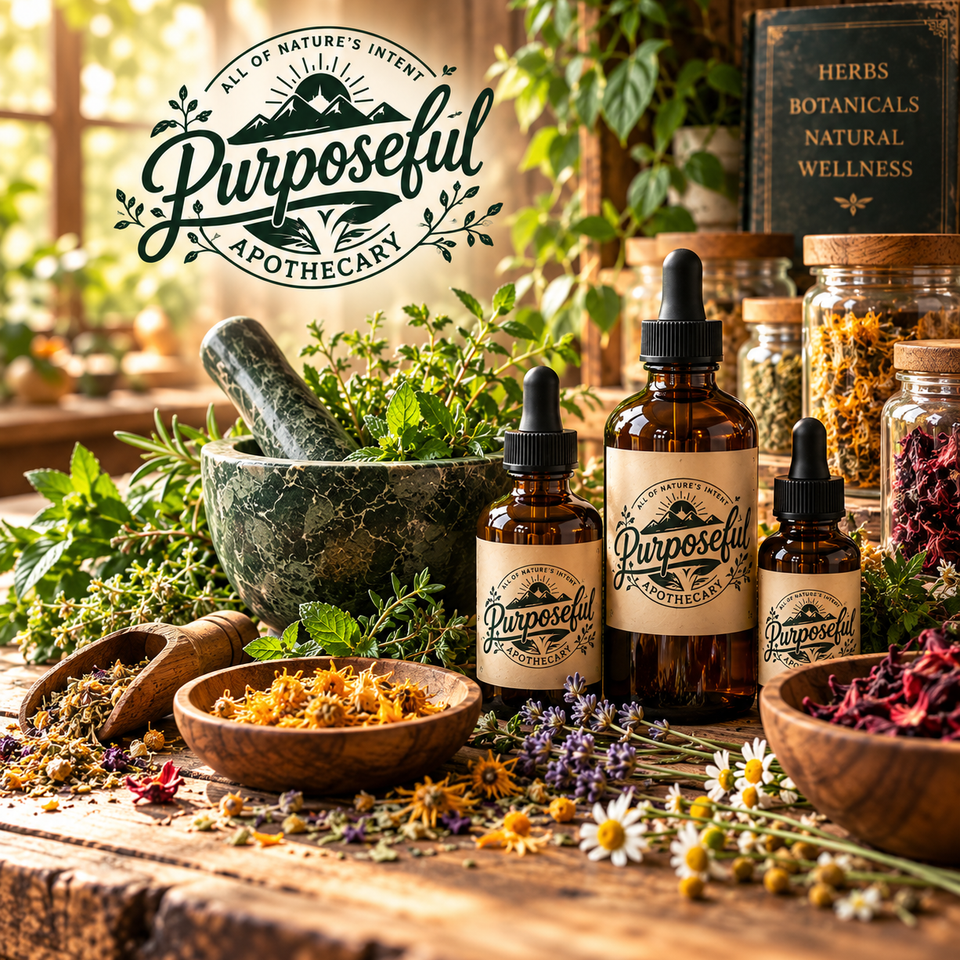
Walk into an apothecary and you're likely to encounter small amber bottles filled with liquid herbal preparations. These are often called tinctures.
While tinctures may be unfamiliar to someone just beginning to explore herbal products, the idea behind them is actually quite simple.
A tincture is a concentrated liquid extract made from plant material. Herbs, roots, bark, flowers or other botanical ingredients are soaked in a liquid—traditionally alcohol, although other preparations may use glycerin or vinegar—to extract certain components from the plant material.
The liquid is then separated from the plant material and stored, commonly in a dark glass bottle.
Why the Little Amber Bottles?
There's a reason tinctures are so often packaged in dark amber glass.
Light can affect some botanical preparations over time, so darker glass helps reduce their exposure to light. The small dropper also makes it possible to dispense relatively small, measured amounts of liquid.
That's why the amber dropper bottle has become such a recognizable part of the traditional and modern apothecary.
How Are Herbal Tinctures Made?
Methods and ingredients vary, but traditional tincture preparation generally begins with selected plant material.
The herbs or botanicals are placed into a container and covered with an extraction liquid. The mixture is allowed to steep for a period of time so components from the plant material can move into the liquid.
After extraction, the plant material is strained away, leaving the finished liquid preparation.
Different plants and preparations may require different ingredients, ratios and extraction methods, which is one reason it's important to read the label of the particular product you're considering.
Tinctures Aren't All the Same
The word “tincture” describes a method of preparation—not one particular ingredient or purpose.
One tincture might contain a single botanical, while another may combine several herbs.
The extraction liquid can also vary. Some are alcohol-based, while others may use vegetable glycerin, vinegar or another suitable medium.
That's why two bottles that look similar can contain very different products.
Read the Label
When considering an herbal tincture, take a moment to understand what you're purchasing.
Look for information such as:
- The herbs or botanical ingredients
- Other ingredients or extraction medium
- Serving or usage directions
- Suggested storage
- Product warnings or precautions
- Manufacturer information
Knowing what's in the bottle is an important part of making an informed decision.
Natural Doesn't Automatically Mean Appropriate for Everyone
This is an important point for our readers of the Purposeful Learn section.
The word natural doesn't mean that every herbal preparation is appropriate for every person.
Herbs and concentrated botanical products may interact with medications or may not be appropriate during pregnancy, breastfeeding, before surgery, or for people with certain medical conditions.
If you're unsure whether a particular herbal product is appropriate for you, speak with a qualified healthcare professional—especially if you take medications or have an existing health condition.
Tinctures and the Modern Apothecary
Tinctures are a good example of how traditional herbal practices continue to appear in today's wellness marketplace.
Modern apothecaries may bring together dried herbs, herbal teas, tinctures, botanical products and other nature-inspired goods while also helping customers better understand what those products are and how they are prepared.
That's an important part of the Purposeful philosophy.
The goal isn't simply to place another bottle on a shelf.
It's to encourage people to learn about the ingredients, understand the product and make thoughtful choices about what they bring into their everyday lives.
Learn With Purpose
There's an incredible amount to learn about plants and the different ways people have prepared them throughout history.
Tinctures are only one part of that story.
As you explore herbs, teas, botanicals and other apothecary products, start with curiosity. Read the ingredients. Learn how the product was prepared. Follow its directions and precautions.
Because intentional living begins with understanding what you're choosing.
Explore Herbs With Purpose
Discover Purposeful Apothecary's collection of herbs, botanicals, tinctures and thoughtfully selected natural products.
Explore Herbs & Tinctures →
This information is provided for general educational purposes only and is not intended to diagnose, treat, cure or prevent disease or replace advice from a qualified healthcare professional.